
Breaking Free from Repeating Patterns
Difficult relationships can leave you feeling drained and unsure of yourself. Therapy offers a space to explore the dynamics you frequently return to and to better understand your role and what and how you can begin to relate in a new way.
You Don’t Have to Stay Stuck
Challenging relationships can leave you caught in cycles of conflict, misunderstanding, or overextending yourself. These patterns can feel inevitable, but they don’t have to define your connections or your emotional wellbeing.
Therapy provides a supportive environment to slow down, examine how these dynamics operate, and notice your own contributions, responses, and needs. Over time, this awareness can help you relate to others with more clarity, set healthier boundaries, and feel more grounded in your interactions.

Difficult Relationships Can Look Different for Everyone
While each person’s experiences are unique, common signs include:
Repeated conflicts or misunderstandings that leave you frustrated or drained
Feeling unsure of your role or place in friendships, family, or romantic relationships
Overextending yourself to meet others’ expectations
Difficulty asserting boundaries or saying “no”
Feeling emotionally isolated even when surrounded by others
Patterns that repeat across different relationships
Understanding these patterns is often the first step toward creating more balanced and fulfilling connections.
How Therapy Helps With Difficult Relationships
Therapy offers a safe, collaborative space to explore the dynamics that have been shaping your relationships. We work to understand patterns, triggers, and recurring conflicts, helping you see where old habits may no longer serve you.
Through this process, you gain insight into your own needs, emotions, and boundaries, learning how to respond to others in ways that feel authentic and sustainable. Therapy also provides strategies for managing conflict, improving communication, and fostering connection without losing your sense of self.
Over time, this work can help you move from reactive patterns to more intentional, grounded ways of relating.


Difficult Relationships Isn’t Just Conflict
Relationship challenges often involve more than open disagreements. They can show up as:
• Feeling unseen, unheard, or misunderstood even in close relationships
• Overextending yourself to meet others’ expectations
• Struggling to set boundaries or communicate your needs
• Repeating the same patterns across different relationships
• Feeling isolated, anxious, or frustrated despite being surrounded by people
Understanding how these patterns operate is a key step toward building more balanced, authentic connections.
meet your counselors

Erica Oppenheimer
I am a licensed clinical social worker offering therapy for adults who are struggling with anxiety, uncertainty, or a sense of disconnection. Many of the people I work with feel stuck in patterns they can’t fully explain. They may find themselves repeating the same emotional responses or caught in relationships that feel unsatisfying or confusing.
My work is grounded in the belief that symptoms are meaningful. Anxiety, perfectionism, emotional paralysis- these are not just problems to be managed but expressions of something deeper, often rooted in earlier experience or unconscious conflict. In therapy, we create the conditions for those patterns to reveal themselves, so they can be understood and worked through, not just pushed aside.
I offer a space where your thoughts, dreams, and frustrations can be explored freely and with intention. This allows for more lasting change. As we begin to uncover what has remained hidden, many people find that life opens up in new and unexpected ways. The goal is not to become someone else, but to make more sense of who you already are and to find new ways of living that feel more authentic.
LCSW (Licensed Clinical Social Worker) (California, New York, Florida)
Board-Approved Qualified Supervisor (Florida)
Priyanka Parikh
I’m a licensed clinical psychologist with over a decade of experience supporting adults navigating trauma, anxiety, depression, chronic pain, insomnia, and major life transitions. My clinical foundation was shaped within the Veterans Affairs system, where I worked across primary care mental health, PTSD treatment, residential programs, and integrated medical settings.
My therapeutic style is collaborative, steady, and clear. I draw from evidence-based approaches including CBT, CPT, ACT, Motivational Interviewing, and mindfulness-based interventions, offering care that is structured enough to support meaningful change while remaining flexible and responsive to each client.
At Branch Lane, I provide a space where clients feel understood and supported as they work toward greater clarity, resilience, and balance. I am deeply committed to culturally responsive, inclusive care and values the full context of each client’s experiences, identities, and story.
Licensed Clinical Psychologist
Over 10 years of experience in trauma-informed and integrated care settings
Trilingual in English, Gujarati, and Hindi

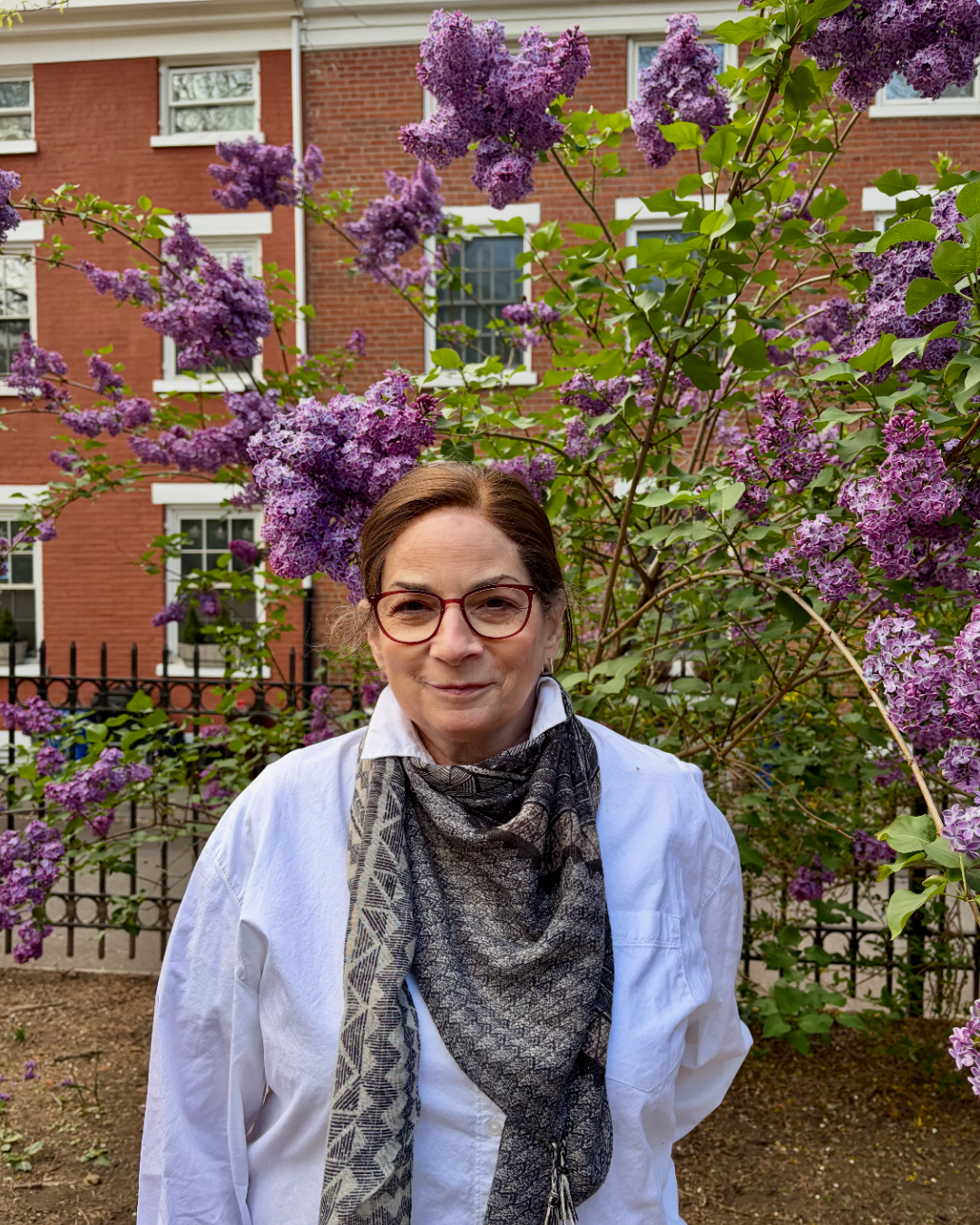
Robin Chilton
I am a Licensed Master Social Worker who specializes in supporting women through life transitions, motherhood, and the emotional complexities that often accompany change. I work with individuals experiencing anxiety, mood concerns, trauma, infertility, loss, perinatal and postpartum mood disorders, and the challenges of parenting across stages of life.
My clinical approach is collaborative, attuned, and grounded in psychodynamic and relational frameworks, while integrating cognitive-behavioral strategies, mindfulness, and motivational interviewing. I view symptoms not simply as problems to fix, but as meaningful signals that invite careful listening and understanding. I strive to create a reflective, safe space where clients can explore their emotional patterns and develop insight.
My work is informed by extensive experience in early childhood mental health, trauma-informed care, and family systems. I have served as a lead consultant with New York City child welfare services, providing clinical consultation, training, and case guidance. I have also worked in schools and therapeutic programs supporting children, parents, and families navigating grief, behavioral challenges, and stress from developmental and environmental pressures.
Lead consultant for NYC Child Welfare Services
Extensive experience in trauma-informed care and early childhood mental health
Skilled in integrating psychodynamic, relational, and cognitive-behavioral approaches
Franny Morken
I am a compassionate therapist specializing in Dialectical Behavior Therapy (DBT), helping clients build balance, resilience, and emotional clarity. Grounded in warmth and authenticity, I prioritize strong rapport and genuine validation to create a safe, collaborative space for growth. My approach blends evidence-based DBT techniques with an intuitive understanding of each client’s unique experiences, empowering them to develop skills, strengthen relationships, and move toward a more fulfilling life.
Clients can expect a warm and welcoming environment that is truly their space to learn, grow, and express themselves freely in a safe, non-judgmental setting. I focus on helping individuals develop practical DBT skills that support emotional regulation, healthier relationships, and greater resilience in everyday life.
Licensed Clinical Professional Counselor (LCPC)
Licensed Mental Health Counselor (LMHC)
Certified DBT Specialist
Specializes in working with women who have experienced trauma and stress.
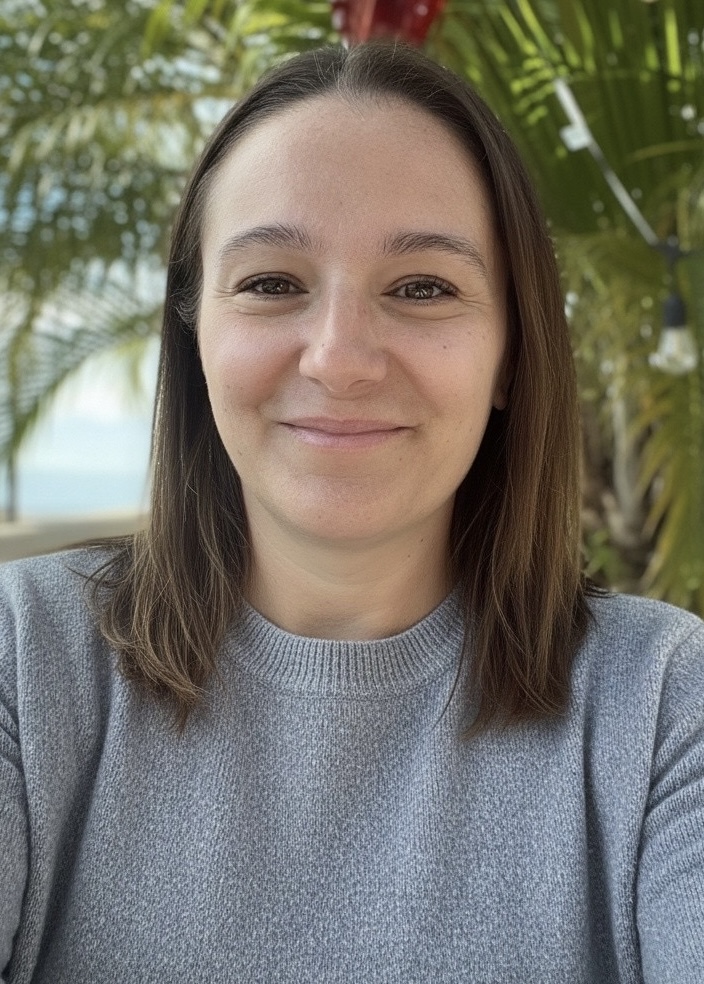
How to Get Started?

Reach Out for a Consultation
Begin with a brief consultation to share what’s been bringing you to therapy, ask questions, and get a feel for how we work. This conversation is a chance to be heard without judgment and to see whether Branch Lane feels like the right fit for you.

Tell Us More About Your Goals
Once you decide to move forward, you’ll receive a short set of intake forms to help us understand your background, current concerns, and what you’re hoping for from therapy. This information allows us to approach your first session with care and intention.

Begin Therapy
Whether you meet with us online or in person, therapy starts by creating a supportive, collaborative space. Together, we work to understand what’s been contributing to your difficulties and develop an approach that supports clarity, steadiness, and meaningful change over time.
You Don’t Have to Navigate This Alone
If you’re ready to better understand what’s been shaping your experience and explore new ways of relating to yourself and your life, we’re here to help. Therapy at Branch Lane offers a thoughtful, collaborative space to begin this work at a pace that feels right for you.
Contact Us
Email: [email protected]
Phone: 347-377-0973
Address: 90 Fort Wade Road Suite 100
Ponte Vedra Beach, FL 32081


© Copyright 2026. Branch Lane Psychotherapy. All Rights Reserved.